A New Approach to Obesity Diagnosis: Why BMI Is No Longer the Sole Criterion
An international panel of experts has proposed a new obesity diagnostic framework that accounts for internal organ function and body fat distribution rather than relying solely on weight.
 🔬Дослідження
Photo: ТСН: Здоров'я
Key points
- BMI does not account for muscle mass or fat distribution
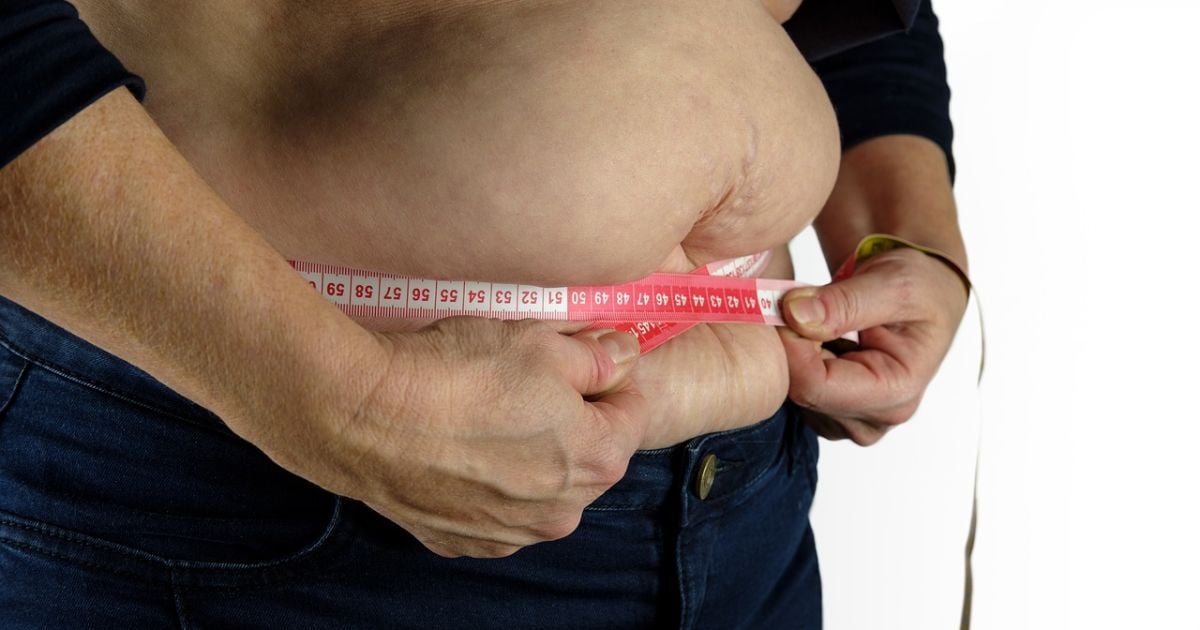
- New method incorporates organ function and waist measurements
- Distinguishing between pre-clinical and clinical obesity improves care
The traditional Body Mass Index (BMI) has long served as a primary tool for weight assessment, yet medical experts have highlighted its significant limitations. Because BMI fails to distinguish between muscle mass and fat tissue, millions of individuals may receive inaccurate diagnoses, while patients with genuine metabolic risks may be overlooked.
A team led by Professor Francesco Rubino of King's College London has developed an updated approach, detailed in a report by The Lancet. Researchers analyzed medical records from 800,000 individuals across four countries to validate the effectiveness of this multi-stage diagnostic process.
The new system relies on several key metrics:
- Measuring waist circumference and waist-to-height ratio to assess body fat distribution.
- Evaluating internal organ function to detect the physiological impact of excess adipose tissue.
- Distinguishing between "pre-clinical" obesity, which poses risks, and "clinical" obesity, which has already impaired bodily functions.
"This misclassification can affect tens of millions of people, so the inaccuracy of BMI is a major problem both globally and for individuals," said Francesco Rubino.
This method allows clinicians to determine more precise treatment strategies: from preventive monitoring for healthy individuals with higher BMI to immediate medical intervention for patients whose health is already compromised.
Source ТСН: Здоров'я — tsn.ua/zdorovya/milyonam-liudey-nepravylno-diahnostuvaly-ozyrinnia-vche… ↗
Read next
 🛡️Профілактика
Cold, Flu, COVID-19, or RSV: How to Distinguish Respiratory Infections by Early Symptoms
With the arrival of viral infection season, distinguishing between a common cold and more severe viruses is essential. Healthcare experts note that while symptoms often o…
 🥗Харчування
Evening Cravings: How a Balanced Dinner Helps Prevent Nighttime Snacking
A nutritionist explains why evening sugar cravings occur and how to structure your diet to avoid emotional overeating.
 🥗Харчування
Butternut Squash, Sweet Potatoes, and Beans: Three Autumn Foods to Lower Cholesterol and Blood Pressure
Incorporating butternut squash, sweet potatoes, and beans into your diet provides soluble fiber and potassium, aiding in blood pressure regulation and cholesterol managem…
 ❤️Лікування і медицина
Should You Wash Hair or Body First? Experts Explain the Right Shower Routine
The sequence of your shower routine can directly impact skin health. Experts share insights on how washing hair or body first affects breakouts and irritation.
 🥗Харчування
The Ferritin Connection: Why Iron Deficiency Leads to Thinning Hair
Low levels of ferritin, the protein that stores iron, can trigger significant hair shedding even if standard blood tests appear normal.
 ❤️Лікування і медицина
Understanding Xerostomia: Causes of Dry Mouth and Practical Ways to Manage It
Dry mouth is more than just a minor inconvenience; it can be an indicator of underlying health conditions or a side effect of medication. Experts warn that neglecting red…